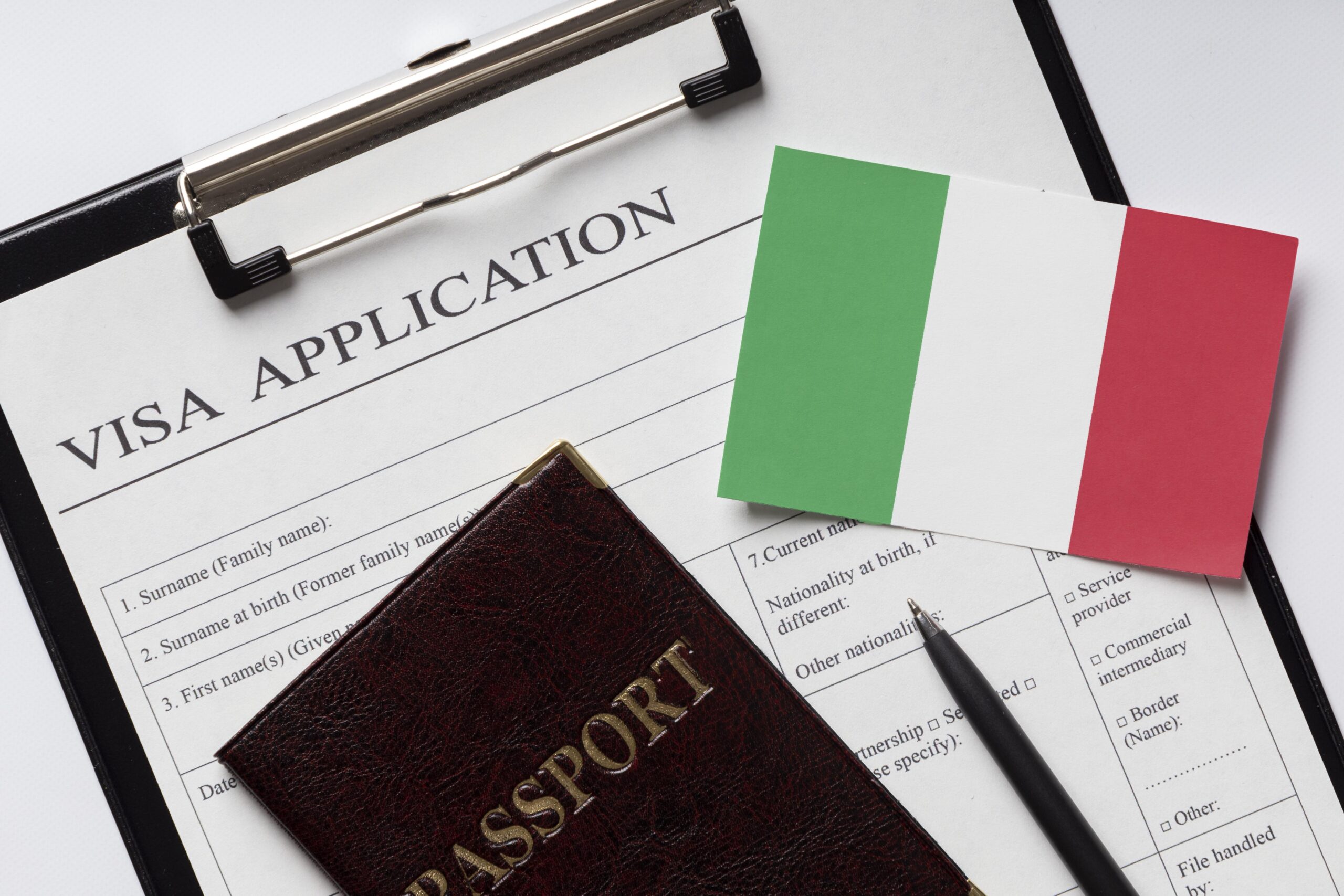
How Can Students Apply for Italian Visa? A Complete 2026 Guide for International Students
Studying in Italy is a dream for many students. From world-famous universities and rich culture to affordable tuition and beautiful cities, Italy continues to attract thousands of international students every year. But before packing your bags for Rome, Milan, Florence, or Bologna, there is one important step you must complete successfully — applying for an Italian student visa.
The good news is that the process is manageable when you understand the requirements and prepare your documents properly. This guide explains everything students need to know about how to apply for an Italian visa in 2026, including eligibility, required documents, application steps, costs, processing time, and common mistakes to avoid.
Whether you are applying from Nigeria, India, Ghana, Pakistan, or any other country, this detailed guide will help you navigate the process with confidence.
Why Study in Italy?
Italy is home to some of the oldest and most respected universities in the world. Institutions like University of Bologna and Sapienza University of Rome attract international students because of their academic reputation and affordable education.
Students choose Italy because of:
- Affordable tuition fees compared to other European countries
- High-quality education
- Access to scholarships
- Opportunities to travel across Europe
- Rich art, history, and architecture
- Growing English-taught programs
According to the official Italian study portal, international students can access hundreds of English-language programs across different fields. You can explore available programs through https://www.universitaly.it/
Another advantage is that students can work part-time while studying, making it easier to manage living expenses.
How Can Students Apply for Italian Visa Successfully?
The process of applying for an Italian student visa involves several stages. Missing one requirement can delay or even reject your application, so careful preparation matters.
Here is the complete process explained step by step.
Italian Student Visa Types for International Students
Before applying, students must know the type of visa they need.
| Visa Type | Purpose | Duration |
|---|---|---|
| Short-Stay Visa (Type C) | Courses less than 90 days | Up to 90 days |
| Long-Stay Visa (Type D) | Degree programs and long-term studies | More than 90 days |
Most international students applying for university programs need the Long-Stay Type D visa.
You can verify official visa categories at https://vistoperitalia.esteri.it/
Italian Student Visa Requirements for Students
Understanding the Italian student visa requirements is one of the most important parts of the process.
Below are the standard documents most embassies request.
Valid Passport
Your passport should:
- Be valid for at least 3 months after your visa expires
- Have at least two blank pages
- Be in good condition
University Admission Letter
Students must provide proof of admission from an Italian university or educational institution.
The admission letter should clearly show:
- Course name
- Duration of study
- Tuition details
- Student information
You can confirm university accreditation through https://www.universitaly.it/
Proof of Financial Support
Students must prove they can support themselves financially during their stay in Italy.
Accepted proof may include:
- Personal bank statements
- Sponsor’s bank statements
- Scholarship award letters
- Financial guarantee documents
The required amount varies, but students should demonstrate enough funds for tuition, accommodation, food, and transportation.
Proof of Accommodation
You must show where you will stay in Italy.
Accepted documents include:
- Hostel booking
- Rental agreement
- University accommodation confirmation
- Invitation letter from a host
Health Insurance
International students need valid medical insurance covering their stay in Italy.
Insurance should cover:
- Medical emergencies
- Hospitalization
- Repatriation
Some students use international insurance providers, while others purchase Italian-approved student insurance plans.
You can learn more from https://www.salute.gov.it/
Proof of Tuition Payment
Many Italian embassies request proof that tuition fees or enrollment deposits have been paid.
Keep copies of:
- Payment receipts
- Bank transfer confirmations
- Enrollment invoices
Visa Application Form
Students must complete the official Italian visa application form accurately.
The official visa portal is:
https://vistoperitalia.esteri.it/
Step-by-Step Process on How Students Apply for Italian Visa
Now let’s break down the full process in simple steps.
Step 1: Secure Admission Into an Italian University
Before applying for the visa, students must first receive admission from a recognized Italian institution.
Popular Italian universities among international students include:
- University of Bologna
- University of Padua
- Politecnico di Milano
- University of Milan
Students should carefully review program deadlines because admission timelines affect visa applications.
Official university information is available at:
https://www.universitaly.it/
Step 2: Complete Pre-Enrollment on Universitaly
Many students miss this important step.
International students often need to complete a pre-enrollment process through the Universitaly portal before scheduling a visa appointment.
The portal helps Italian authorities verify:
- Student admission
- Course details
- University information
You can access the platform here:
https://www.universitaly.it/
Step 3: Gather Italian Student Visa Documents
This is where preparation becomes extremely important.
Create both physical and digital copies of every document.
A smart document checklist includes:
- Passport
- Passport photographs
- Admission letter
- Completed visa application form
- Financial proof
- Accommodation proof
- Insurance
- Flight reservation
- Tuition payment receipt
Organizing documents properly improves your chances of approval.
Step 4: Book an Appointment at the Italian Embassy
Students must submit their application at the Italian embassy or visa center in their country.
In many countries, visa processing is managed through VFS Global.
You can find appointment information here:
https://visa.vfsglobal.com/
Always book appointments early because slots fill quickly during peak admission periods.
Step 5: Attend the Visa Interview
The visa interview is usually straightforward if your documents are complete.
Common questions include:
- Why do you want to study in Italy?
- Which course are you studying?
- Who is sponsoring your education?
- What are your plans after graduation?
Be honest and confident during the interview.
Step 6: Pay the Italian Student Visa Fee
The visa fee changes occasionally depending on exchange rates and embassy policies.
Students should also expect additional costs for:
- Biometrics
- Courier services
- Document legalization
- Translation services
Check updated fees through:
https://vistoperitalia.esteri.it/
Step 7: Wait for Visa Processing
Processing time depends on:
- Country of application
- Application volume
- Embassy workload
- Completeness of documents
Most Italian student visas are processed within 2 to 6 weeks.
Students should apply as early as possible to avoid delays before school resumes.
How Much Bank Balance Is Required for Italian Student Visa?
One of the most common questions students ask is about financial requirements.
Although exact figures may vary, students generally need proof showing they can cover:
| Expense | Estimated Cost |
|---|---|
| Tuition Fees | €1,000 – €6,000 yearly |
| Accommodation | €300 – €800 monthly |
| Food & Living Expenses | €400 – €700 monthly |
| Health Insurance | €150 – €300 yearly |
Embassies want reassurance that students will not struggle financially after arriving in Italy.
Can Students Work in Italy While Studying?
Yes. International students in Italy can work part-time while studying.
Students are typically allowed to work:
- Up to 20 hours weekly during study periods
- Full-time during holidays
Part-time jobs help students manage living expenses and gain work experience.
Popular student jobs include:
- Restaurant work
- Tutoring
- Retail jobs
- Hotel work
- Freelancing
Students should still prioritize academics because visa renewals depend on academic progress.
Common Reasons Italian Student Visa Applications Get Rejected
Visa rejection can be frustrating and expensive.
Some of the most common reasons include:
- Incomplete documents
- Insufficient financial proof
- Fake documents
- Poor interview performance
- Unclear study intentions
- Lack of accommodation proof
- Weak academic history
Students should double-check every detail before submission.
Best Tips to Increase Italian Student Visa Approval Chances
Apply Early
Avoid waiting until the last minute.
Embassies receive many applications during admission seasons.
Organize Your Documents Properly
Use labeled folders and maintain clean copies.
Messy documentation can create unnecessary confusion.
Show Genuine Academic Intentions
Explain clearly why you chose Italy and your specific program.
Maintain Strong Financial Evidence
Stable bank statements improve credibility.
Avoid sudden large deposits before application.
Practice Interview Questions
Confidence and honesty matter during interviews.
Scholarships That Help Students Study in Italy
Italy offers several scholarships for international students.
Popular scholarship programs include:
| Scholarship | Coverage |
|---|---|
| DSU Scholarship | Tuition + accommodation |
| Italian Government Scholarship | Monthly stipend |
| University Merit Scholarships | Tuition reductions |
| Regional Scholarships | Living support |
Students can explore scholarship opportunities through:
https://studyinitaly.esteri.it/
Cost of Living for International Students in Italy
Living costs depend heavily on the city.
Cities like Milan and Rome are more expensive than smaller student cities like Bologna or Padua.
Average monthly expenses include:
- Accommodation: €300–€800
- Transportation: €25–€50
- Food: €150–€300
- Internet and utilities: €50–€100
Budgeting properly helps students avoid financial stress.
Best Cities in Italy for International Students
Milan
Known for business, fashion, and technology programs.
Rome
Rich in history and home to several prestigious universities.
Bologna
Popular for affordable living and student-friendly atmosphere.
Florence
Excellent for arts, humanities, and architecture studies.
How Long Does It Take to Get an Italian Student Visa?
Processing times vary depending on the country and season.
| Application Period | Estimated Processing Time |
|---|---|
| Regular Season | 2–4 weeks |
| Peak Admission Season | 4–8 weeks |
Applying early significantly reduces stress and delays.
What Happens After Arriving in Italy?
Getting the visa is only part of the journey.
After arriving in Italy, students must apply for a residence permit called the Permesso di Soggiorno.
This permit allows students to legally remain in Italy for long-term studies.
Students usually apply within 8 days of arrival.
More information is available through:
https://www.poliziadistato.it/
Mistakes Students Should Avoid During Italian Visa Application
Here are some avoidable mistakes:
- Submitting fake financial documents
- Missing interview appointments
- Waiting too long to apply
- Ignoring embassy instructions
- Using inconsistent information across documents
- Not translating required documents properly
Attention to detail can make a huge difference.
Is Italy a Good Destination for International Students?
For many students, Italy offers an excellent balance of affordability, quality education, and cultural experience.
Compared to countries like the UK, USA, or Canada, Italy can be more budget-friendly while still providing internationally recognized degrees.
Students also enjoy:
- Access to the Schengen Area
- Diverse international communities
- Beautiful lifestyle and culture
- Career opportunities in Europe
Conclusion on How Students Apply for Italian Visa
Applying for an Italian student visa may seem overwhelming at first, but the process becomes much easier when broken into clear steps. The key is preparation, honesty, and organization.
Students should focus on:
- Securing admission early
- Preparing strong financial proof
- Organizing documents carefully
- Applying ahead of deadlines
- Practicing for the interview
Italy remains one of the most attractive destinations for international education, and thousands of students successfully receive their visas every year.
If studying in Europe has always been your dream, this could be the perfect time to begin your journey toward an Italian education and international experience.
For official and updated visa information, students should always verify details through:
https://vistoperitalia.esteri.it/
And for university admissions and pre-enrollment:
https://www.universitaly.it/